
A Guide to Tanzania’s Northern Circuit

Tanzania’s Northern Circuit is the most celebrated safari route in Africa, and for good reason. It is a compact region of incredible ecological diversity, home to the Serengeti, the Ngorongoro Crater, and a collection of other natural treasures. As journalists and as safari planners, we have spent more time in these parks than anywhere else on earth. Many see the Northern Circuit as a checklist of famous names. We see it as a narrative, a journey through a series of interconnected worlds, each with its own unique story and rhythm. This is our guide to the character of each park, based on years of personal experience on the ground. Key Takeaways (The 20-Second Guide) The Serengeti National Park: The Endless Plains The Serengeti is not just a park; it is a symbol of wild Africa. Its name, derived from the Maasai word “Siringit,” means “the place where the land runs on forever,” and that is exactly how it feels. The Ngorongoro Crater: The Lost World Descending into the Ngorongoro Crater is like entering a self-contained natural sanctuary. This massive, intact volcanic caldera is one of the most unique wildlife habitats on the planet. Tarangire National Park: The Land of Giants While the Serengeti has the herds and the Crater has the density, Tarangire has the elephants. This park is a hidden gem, often overlooked but a favorite of ours for its unique landscape and incredible elephant populations. Lake Manyara National Park: The Rift Valley Oasis Nestled at the base of the Great Rift Valley escarpment, Lake Manyara is a small but stunningly diverse park.
Is a Tanzania Safari Safe for Families? An expert guide

This is often the first question a family asks when they begin dreaming of a safari, and it is the most important one. As founders who were born in Africa and are now raising our own children here, we understand the weight of this question on a deeply personal level. The simple answer is yes, a well-planned safari in Tanzania is an incredibly safe and rewarding experience for a family. The key to that sentence is “well-planned.” Safety on safari is not a matter of luck; it is a result of professional expertise, rigorous standards, and a deep, first-hand understanding of the environment. This is our guide to how we ensure your family’s peace of mind, based on our non-negotiable safety protocols. Key Takeaways (The 20-Second Guide) Wildlife Safety: Respecting the Wild The magic of a safari is seeing wild animals in their natural habitat. This is an experience built on respect, not risk. Health & Medical Preparedness Health concerns are a primary consideration for any family traveling to a new continent. Lodge & Camp Security: Our Personal Guarantee This is where our personal vetting process becomes your family’s greatest assurance. We do not recommend any property we have not personally inspected for its family-safety features. A safari is one of the most profound and bonding experiences a family can share. Our role, and our promise, is to handle every single detail of safety and logistics so that you can focus on what truly matters: witnessing the magic of the African wild through your children’s eyes.
When is the Best Time to See the Great Migration? Month-by-Month Guide
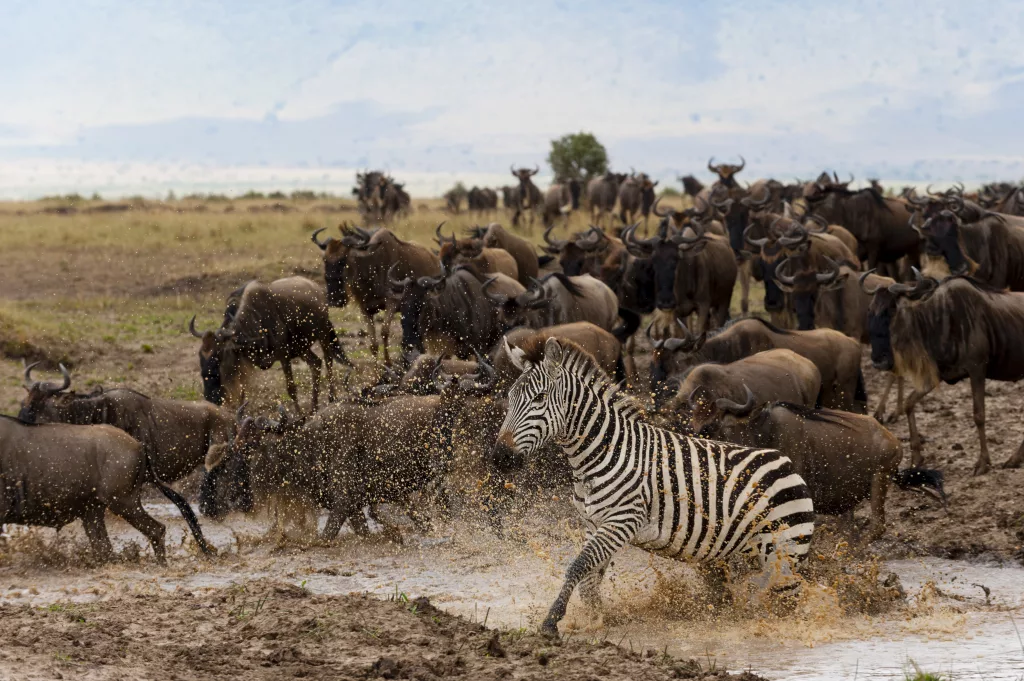
The Great Wildebeest Migration is not a single event; it is a continuous, year-long pilgrimage driven by the rains. Over 1.5 million wildebeest, accompanied by hundreds of thousands of zebra and gazelle, journey in a clockwise loop through the vast plains of the Serengeti in Tanzania and the Masai Mara in Kenya. The most common question we are asked is, “When should I go to see it?” The answer depends entirely on what you want to see. As journalists who have filmed this spectacle for years, we have learned that each chapter of this story offers its own unique drama. This is our definitive, month-by-month guide to help you be in the right place at the right time. Key Takeaways (The 20-Second Guide) January – March: The Calving Season in the Southern Serengeti This is a period of incredible life and drama. The vast, short-grass plains of the Southern Serengeti and the Ndutu Conservation Area are where the herds congregate to give birth. April – May: The Journey North Begins This is a transitional period as the long rains begin. The herds begin to move north and west from the southern plains in search of fresh grazing. June – July: The Western Corridor and the Grumeti River The migration continues its push north. The herds consolidate in the Serengeti’s Western Corridor, where they face their first major obstacle: the Grumeti River. August – October: The Mara River Crossings (Peak Season) This is the most famous chapter of the migration. The herds have reached the northernmost part of the Serengeti and the Masai Mara in Kenya, where they must cross the treacherous Mara River. November – December: The Return South After the short rains begin in November, the herds start their journey south again. They move from the Masai Mara and Northern Serengeti back down through the eastern and central plains. Ultimately, the Great Migration is a fluid, natural event. Our job is to use our deep, first-hand knowledge to move beyond a simple map and place you in the heart of the action, no matter which chapter of the story you choose to witness.
The Path Toward Sustainable Safari Camps in the Ndutu Region
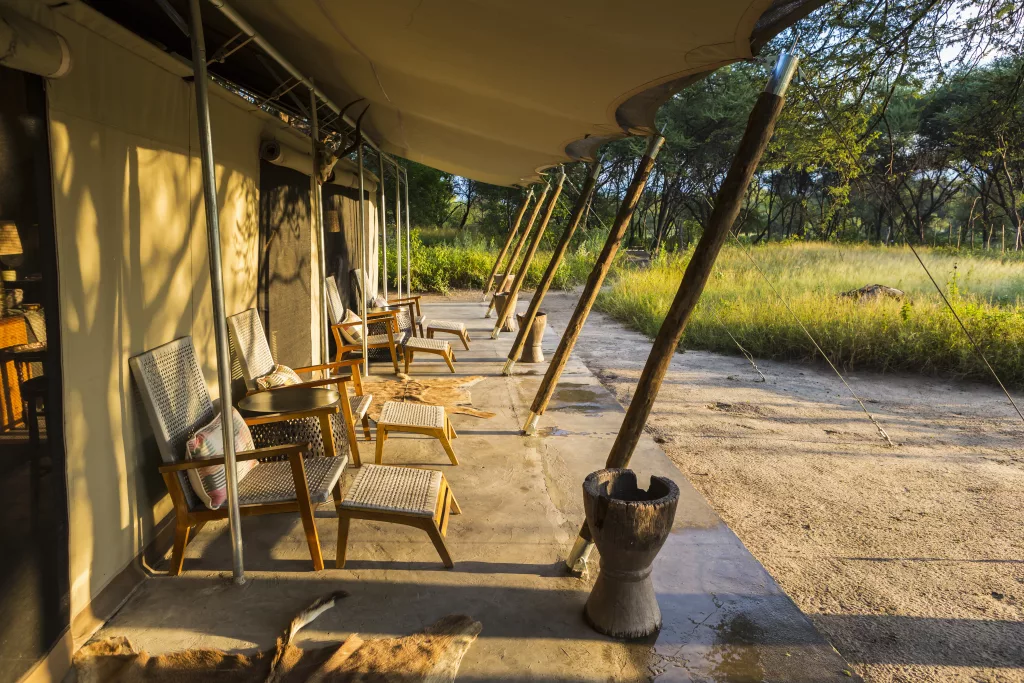
The Ndutu region of Tanzania’s Southern Serengeti draws travelers year-round, thanks to its role in the wildebeest migration and especially during the January to March safari season. However, the increasing popularity of this area demands sustainable safari camps that minimize impact on delicate ecosystems. This guide explains why eco-conscious accommodations are crucial and how they enrich your safari experience. Curious about the wildlife highlights that make Ndutu so special? Check out our piece on Inside the Wildebeest Migration: Big 5 Wildlife Encounters and Predator Sightings. Core Principles of Sustainable Safari Camps Choosing the Right Eco-Camp Benefits for Wildlife and Guests For a closer look at the calving phenomenon itself, read Discover Tanzania’s Calving Safari: Why January to March Shines. Conclusion Opting for a sustainable safari camp in the Ndutu region means you’ll witness the marvels of the Southern Serengeti—calving herds, roaring predators, and the vibrant Maasai culture—while safeguarding these habitats for future generations. Ready to book a responsible safari? Contact us to explore eco-friendly camp options that match your travel style and commitment to preserving Tanzania’s natural wonders.
Inside Wildebeest Migration & Big 5 Predator Encounters in East Africa
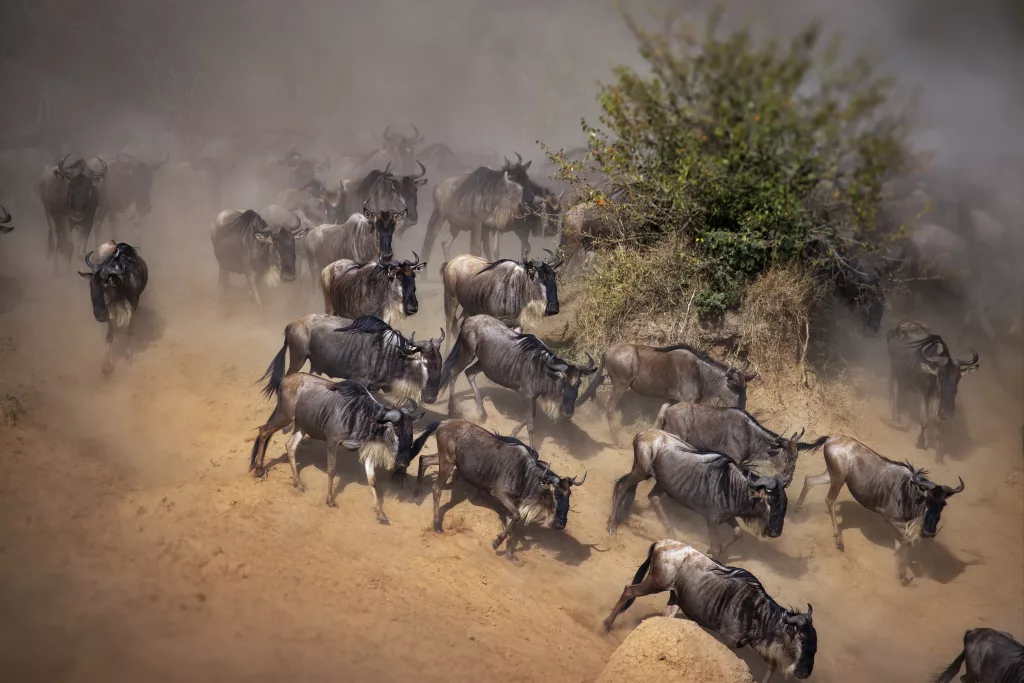
The wildebeest migration is often called the “greatest show on Earth,” spanning from Tanzania’s Southern Serengeti to Kenya’s Maasai Mara. Among the highlights are Big 5 wildlife encounters, dramatic predator sightings, and a constant interplay between grazers and hunters. Although the migration is a year-round phenomenon, the Ndutu region shines during the January to March safari season, coinciding with the peak calving period. Suggested Internal Link Want to know why calving season holds a special allure? Check out our post on Discover Tanzania’s Calving Safari: Why January to March Shines. Main Phases of the Migration Iconic Predator Sightings Where to Spot the Big 5 Sustainability and Responsible Tourism The crowds that gather for the migration highlight the need for sustainable safari camps. Ethical operators: For an in-depth look at eco-conscious camps and community initiatives, explore our guide on The Path Toward Sustainable Safari Camps in the Ndutu Region. Conclusion Observing the wildebeest migration offers a front-row seat to one of nature’s most gripping displays: life, death, and renewal across Africa’s wild corridors. Each phase tells a story worth witnessing in person, from the thunder of hooves to predator sightings that raise your heart rate. Ready to plan your migration safari? Contact us to customize a route that syncs with the herds, ensuring you experience the best of the Big 5 wildlife encounters and beyond.
Tanzania’s Calving Safari. Why January to March Shines
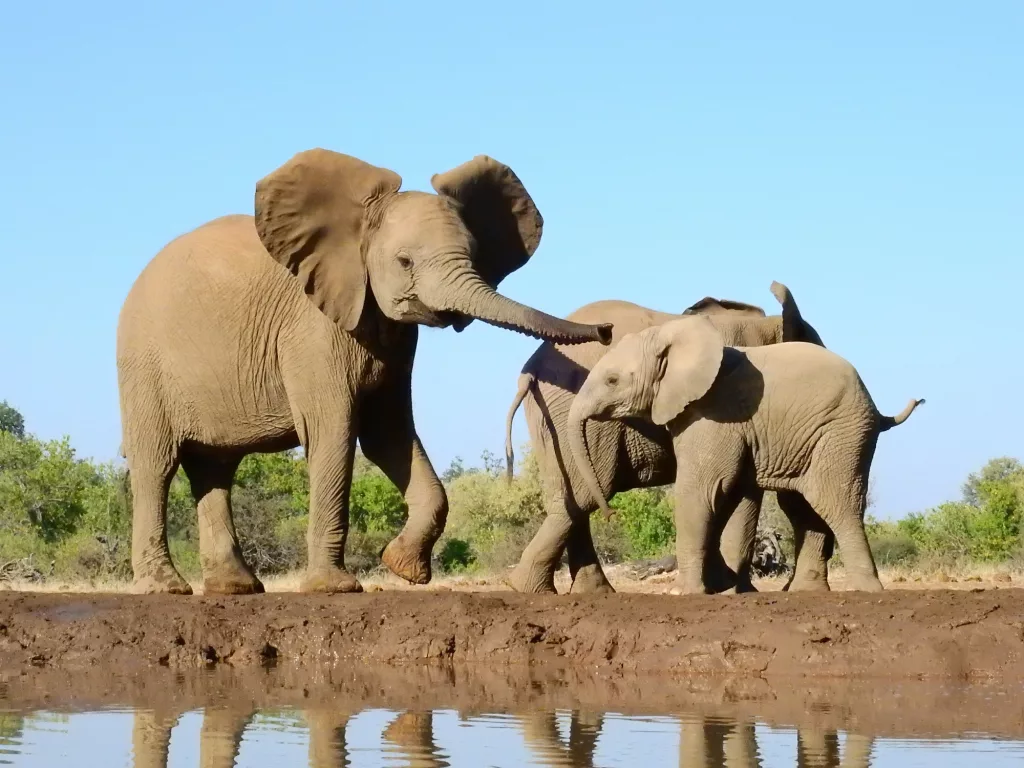
Introduction Tanzania’s calving safari season stands apart for its mesmerizing concentration of newborn wildebeest, zebra, and other grazing animals in the Southern Serengeti. Specifically, the Ndutu region becomes a stage for new life each January to March, drawing both avid photographers and first-time safari-goers eager to witness dramatic predator sightings and tender moments between mothers and their young while on a Tanzania calving safari. If you’re seeking a safari experience that highlights nature’s cycle of renewal, this is your ideal window. Suggested Internal Link Looking to learn more about the full scope of the wildebeest migration? Check out our post on Inside the Wildebeest Migration: Big 5 Wildlife Encounters and Predator Sightings. What Makes January–March Calving Season Unique? (H2) Best Locations in the Ndutu Region (H2) Tips for a Successful Calving Safari (H2) Suggested Internal Link Curious about how to minimize your environmental impact on safari? Don’t miss our article on The Path Toward Sustainable Safari Camps in the Ndutu Region. Conclusion Witnessing the cycle of new life in Tanzania’s calving safari season is an unforgettable experience, brimming with tender births and intense predator sightings. From the open plains of the Southern Serengeti to the tranquil Ndutu lakeshore, you’ll gain a deeper appreciation for the intricate balance of Africa’s ecosystems on a Tanzania calving safari safari in Ndutu region. Ready to plan your January–March safari? Reach out to our team, and let’s craft an itinerary that places you front and center for nature’s grandest nursery.
How Weather Impacts Safari Experience in East Africa

The Secret Rhythm of Safari: A Founder’s Guide to Africa’s Seasons One of the first questions we are always asked is, “When is the best time to go on safari?” The simple answer is that there is no single “best” time. The real answer, which we have learned from a lifetime in the African bush, is that each season tells a different story. The weather in Africa does not just influence your trip; it is the narrative engine of the entire ecosystem. It dictates where the great herds move, when predators are most active, and how the landscape itself breathes. Understanding this rhythm is the key to choosing the right journey for you. Key Takeaways (The 20-Second Guide) Africa’s Seasons at a Glance: A Comparison Season What to Expect Best For Dry Season (June – Oct) Thinner vegetation, concentrated wildlife at water sources, clear skies. First-time visitors, classic big game viewing, Great Migration river crossings. Green Season (Nov – May) Lush, green landscapes, newborn animals, dramatic skies, fewer crowds. Photographers, birdwatchers, repeat travelers, Great Migration calving season. East Africa: The Great Migration’s Clockwork (Tanzania & Kenya) The rhythm of East Africa is dominated by the Great Wildebeest Migration, a continuous circular journey driven by the rains. The Dry Season (June to October): The Epic Drama This is the classic safari season. The landscape is painted in gold and ochre, the skies are vast and clear, and the drama of the wild is on full display. The Green Season (November to May): The Rebirth While many overlook this period, the Green Season is a time of incredible vibrancy. The “short rains” of November and the “long rains” of April and May transform the landscape. Southern Africa: A Tale of Flood and Dust (Botswana, Zambia, Zimbabwe, South Africa) The rhythm of Southern Africa is a story of dramatic transformation, from the arid winter to the lush summer. The Dry Season (May to October): Peak Concentration This is the best time for wildlife viewing in this region. The bush is sparse, and the air is filled with the golden dust of the dry season. The Green Season (November to April): The Secret Season The summer rains transform the arid landscapes into a lush paradise. This is often called the “secret season” by guides and offers exceptional value. Beyond the Seasons: Gorilla Trekking & Microclimates High-value activities like gorilla trekking have their own unique considerations. It is also important to remember that Africa’s geography creates microclimates. High-altitude areas like the Ngorongoro Crater will have cool, misty mornings year-round. Our job is to listen to your vision and then use our first-hand knowledge to place you in the heart of the right story at the right time.
Luxury Gorilla Trekking in East Africa

Introduction: Gorilla trekking is a bucket-list experience for many wildlife enthusiasts, and East Africa offers some of the best opportunities to see these majestic creatures up close. Uganda, Rwanda, and Congo are home to the endangered mountain gorillas, providing breathtaking trekking experiences amidst lush landscapes. This guide explores everything you need to know about luxury gorilla trekking in East Africa, from where to go and what to expect to tips for making the most of your journey. 1. Why Choose Luxury Gorilla Trekking? 2. Top Destinations for Gorilla Trekking 3. Best Time to Go 4. What to Expect During the Trek 5. Tips for a Luxury Gorilla Trekking Experience Conclusion: Luxury gorilla trekking in East Africa combines adventure, exclusivity, and conservation. It’s an opportunity to connect with nature, support wildlife preservation, and create memories that will last a lifetime. Whether you choose Uganda, Rwanda, or Congo, the experience will leave you in awe of these magnificent creatures and their stunning habitats. Ready for a once-in-a-lifetime adventure? Contact us to plan your luxury gorilla trekking experience today!
Top 10 National Parks in East Africa

Introduction: East Africa is synonymous with breathtaking landscapes, diverse ecosystems, and unparalleled wildlife experiences. From the golden savannahs of Tanzania to the misty mountains of Uganda and the volcanic terrain of Rwanda, each national park in this region offers something unique. Whether you’re a seasoned adventurer or planning your first safari, this detailed guide will help you uncover the treasures of East Africa’s top national parks. Discover where to witness iconic wildlife spectacles, the best times to visit, and expert tips to elevate your safari experience. 1. Serengeti National Park, Tanzania 2. Maasai Mara National Reserve, Kenya 3. Bwindi Impenetrable National Park, Uganda 4. Ngorongoro Conservation Area, Tanzania 5. Volcanoes National Park, Rwanda 6. Amboseli National Park, Kenya 7. Akagera National Park, Rwanda 8. Queen Elizabeth National Park, Uganda 9. Lake Manyara National Park, Tanzania 10. Virunga National Park, Congo Conclusion: East Africa’s national parks offer more than just wildlife; they are windows into the planet’s natural beauty, culture, and history. Each park tells its own story, whether it’s through the migration of wildebeests, the roar of lions, or the silent gaze of a mountain gorilla. Plan your adventure and immerse yourself in the magic of East Africa. Ready to explore these incredible destinations? Contact us to craft your perfect East African safari today.
Why Lion and Leopard Tracking is a Must in Uganda

Lion and Leopard Tracking in Queen Elizabeth National Park has become one of Uganda’s most sought-after safari experiences. This exclusive adventure offers up-close encounters with Africa’s majestic big cats while supporting conservation efforts and local communities. With over 50 solitary leopards and numerous lion prides spread across the savannah, this activity guarantees unforgettable sightings and a thrilling off-road journey. A Unique and Exclusive Safari Experience One of the main reasons tourists choose Lion and Leopard Tracking is the exclusivity it provides. Unlike traditional game drives, this activity is pre-arranged to ensure a private experience. You won’t have to compete with crowds for vantage points, giving you uninterrupted opportunities to observe the big cats in their natural habitat. Whether you’re capturing breathtaking photographs or simply enjoying the moment, this personalized encounter is truly one of a kind. Guaranteed Lion and Leopard Sightings With this experiential tourism product, your chances of seeing big cats are incredibly high. Expect to encounter: Unlike regular game drives, you don’t need to rely on luck. This activity ensures you track the cats wherever they are during your visit. Flexibility to Track at Your Preferred Time Forget the early-morning rush to spot lions basking on the tracks before they retreat to the savannah grasslands. With Lion and Leopard Tracking, you choose when to embark on your adventure. This flexibility ensures a relaxed, tailored experience that suits your schedule, whether it’s an afternoon drive or a twilight safari. Thrilling Off-Road Adventures in the Savannah This activity is as thrilling as it is rewarding. Tracking the big cats involves off-road drives across rugged savannah terrain, where a high-suspension 4×4 safari vehicle is essential. Navigate through grass patches, ditches, and uneven tracks as you follow the footsteps of these elusive predators. The anticipation of each sighting adds an exhilarating edge to the journey. Meet the Big Cats: Stories from Conservationists A highlight of the experience is the knowledgeable conservationists who accompany you. Their deep understanding of the lions and leopards’ lives brings the safari to life. Learn about: These captivating stories add a personal touch, enriching your understanding of the animals and their environment. Supporting Communities and Wildlife Conservation Lion and Leopard Tracking is not just an adventure; it’s a way to give back. A percentage of the tracking fees goes directly to local communities, including fishing villages around the park. This funding supports health, education, and conservation initiatives, ensuring a sustainable future for both the people and the wildlife of Queen Elizabeth National Park. Participating in this activity contributes to vital conservation efforts and improves the livelihoods of the park’s surrounding communities. Conclusion: A Safari Experience Like No Other Lion and Leopard Tracking in Queen Elizabeth National Park offers guaranteed sightings, thrilling off-road adventures, and a deep connection to Uganda’s wildlife and communities. From the exclusivity of the experience to the captivating stories shared by conservationists, this activity promises memories that will last a lifetime. Ready to experience the thrill of tracking Africa’s iconic big cats? Book Your Lion and Leopard Tracking Safari Now and be part of Uganda’s most unforgettable adventure!