
The Path Toward Sustainable Safari Camps in the Ndutu Region
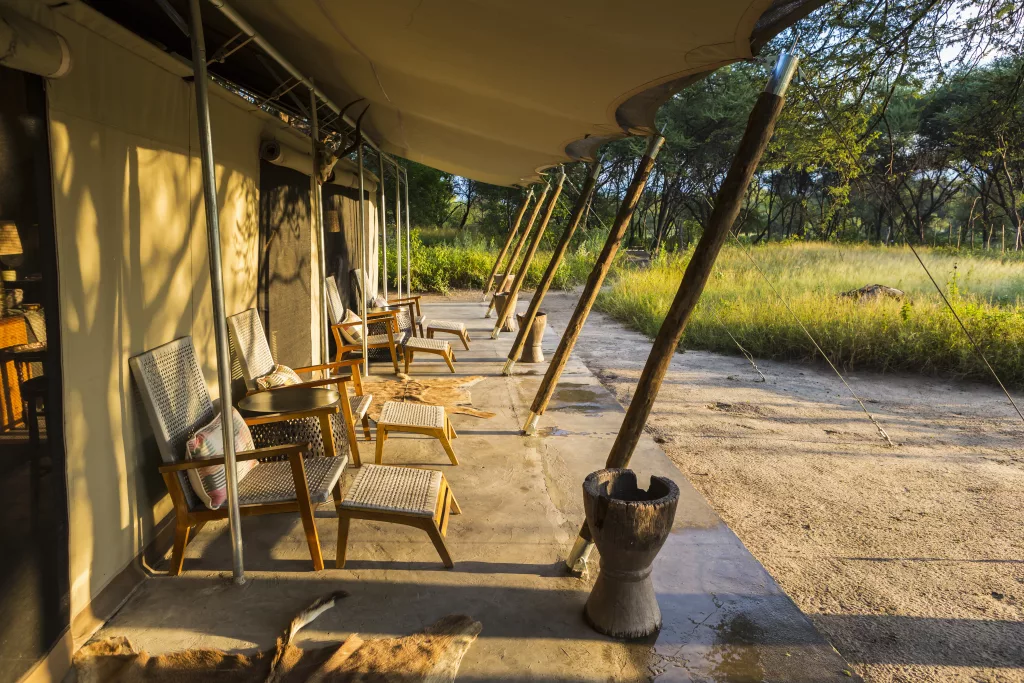
The Ndutu region of Tanzania’s Southern Serengeti draws travelers year-round, thanks to its role in the wildebeest migration and especially during the January to March safari season. However, the increasing popularity of this area demands sustainable safari camps that minimize impact on delicate ecosystems. This guide explains why eco-conscious accommodations are crucial and how they enrich your safari experience. Curious about the wildlife highlights that make Ndutu so special? Check out our piece on Inside the Wildebeest Migration: Big 5 Wildlife Encounters and Predator Sightings. Core Principles of Sustainable Safari Camps Choosing the Right Eco-Camp Benefits for Wildlife and Guests For a closer look at the calving phenomenon itself, read Discover Tanzania’s Calving Safari: Why January to March Shines. Conclusion Opting for a sustainable safari camp in the Ndutu region means you’ll witness the marvels of the Southern Serengeti—calving herds, roaring predators, and the vibrant Maasai culture—while safeguarding these habitats for future generations. Ready to book a responsible safari? Contact us to explore eco-friendly camp options that match your travel style and commitment to preserving Tanzania’s natural wonders.
Luxury Gorilla Trekking in East Africa

Introduction: Gorilla trekking is a bucket-list experience for many wildlife enthusiasts, and East Africa offers some of the best opportunities to see these majestic creatures up close. Uganda, Rwanda, and Congo are home to the endangered mountain gorillas, providing breathtaking trekking experiences amidst lush landscapes. This guide explores everything you need to know about luxury gorilla trekking in East Africa, from where to go and what to expect to tips for making the most of your journey. 1. Why Choose Luxury Gorilla Trekking? 2. Top Destinations for Gorilla Trekking 3. Best Time to Go 4. What to Expect During the Trek 5. Tips for a Luxury Gorilla Trekking Experience Conclusion: Luxury gorilla trekking in East Africa combines adventure, exclusivity, and conservation. It’s an opportunity to connect with nature, support wildlife preservation, and create memories that will last a lifetime. Whether you choose Uganda, Rwanda, or Congo, the experience will leave you in awe of these magnificent creatures and their stunning habitats. Ready for a once-in-a-lifetime adventure? Contact us to plan your luxury gorilla trekking experience today!
Top 10 National Parks in East Africa

Introduction: East Africa is synonymous with breathtaking landscapes, diverse ecosystems, and unparalleled wildlife experiences. From the golden savannahs of Tanzania to the misty mountains of Uganda and the volcanic terrain of Rwanda, each national park in this region offers something unique. Whether you’re a seasoned adventurer or planning your first safari, this detailed guide will help you uncover the treasures of East Africa’s top national parks. Discover where to witness iconic wildlife spectacles, the best times to visit, and expert tips to elevate your safari experience. 1. Serengeti National Park, Tanzania 2. Maasai Mara National Reserve, Kenya 3. Bwindi Impenetrable National Park, Uganda 4. Ngorongoro Conservation Area, Tanzania 5. Volcanoes National Park, Rwanda 6. Amboseli National Park, Kenya 7. Akagera National Park, Rwanda 8. Queen Elizabeth National Park, Uganda 9. Lake Manyara National Park, Tanzania 10. Virunga National Park, Congo Conclusion: East Africa’s national parks offer more than just wildlife; they are windows into the planet’s natural beauty, culture, and history. Each park tells its own story, whether it’s through the migration of wildebeests, the roar of lions, or the silent gaze of a mountain gorilla. Plan your adventure and immerse yourself in the magic of East Africa. Ready to explore these incredible destinations? Contact us to craft your perfect East African safari today.
Why Lion and Leopard Tracking is a Must in Uganda

Lion and Leopard Tracking in Queen Elizabeth National Park has become one of Uganda’s most sought-after safari experiences. This exclusive adventure offers up-close encounters with Africa’s majestic big cats while supporting conservation efforts and local communities. With over 50 solitary leopards and numerous lion prides spread across the savannah, this activity guarantees unforgettable sightings and a thrilling off-road journey. A Unique and Exclusive Safari Experience One of the main reasons tourists choose Lion and Leopard Tracking is the exclusivity it provides. Unlike traditional game drives, this activity is pre-arranged to ensure a private experience. You won’t have to compete with crowds for vantage points, giving you uninterrupted opportunities to observe the big cats in their natural habitat. Whether you’re capturing breathtaking photographs or simply enjoying the moment, this personalized encounter is truly one of a kind. Guaranteed Lion and Leopard Sightings With this experiential tourism product, your chances of seeing big cats are incredibly high. Expect to encounter: Unlike regular game drives, you don’t need to rely on luck. This activity ensures you track the cats wherever they are during your visit. Flexibility to Track at Your Preferred Time Forget the early-morning rush to spot lions basking on the tracks before they retreat to the savannah grasslands. With Lion and Leopard Tracking, you choose when to embark on your adventure. This flexibility ensures a relaxed, tailored experience that suits your schedule, whether it’s an afternoon drive or a twilight safari. Thrilling Off-Road Adventures in the Savannah This activity is as thrilling as it is rewarding. Tracking the big cats involves off-road drives across rugged savannah terrain, where a high-suspension 4×4 safari vehicle is essential. Navigate through grass patches, ditches, and uneven tracks as you follow the footsteps of these elusive predators. The anticipation of each sighting adds an exhilarating edge to the journey. Meet the Big Cats: Stories from Conservationists A highlight of the experience is the knowledgeable conservationists who accompany you. Their deep understanding of the lions and leopards’ lives brings the safari to life. Learn about: These captivating stories add a personal touch, enriching your understanding of the animals and their environment. Supporting Communities and Wildlife Conservation Lion and Leopard Tracking is not just an adventure; it’s a way to give back. A percentage of the tracking fees goes directly to local communities, including fishing villages around the park. This funding supports health, education, and conservation initiatives, ensuring a sustainable future for both the people and the wildlife of Queen Elizabeth National Park. Participating in this activity contributes to vital conservation efforts and improves the livelihoods of the park’s surrounding communities. Conclusion: A Safari Experience Like No Other Lion and Leopard Tracking in Queen Elizabeth National Park offers guaranteed sightings, thrilling off-road adventures, and a deep connection to Uganda’s wildlife and communities. From the exclusivity of the experience to the captivating stories shared by conservationists, this activity promises memories that will last a lifetime. Ready to experience the thrill of tracking Africa’s iconic big cats? Book Your Lion and Leopard Tracking Safari Now and be part of Uganda’s most unforgettable adventure!
The Big 5 Safari Guide: Africa’s Wildlife Experience
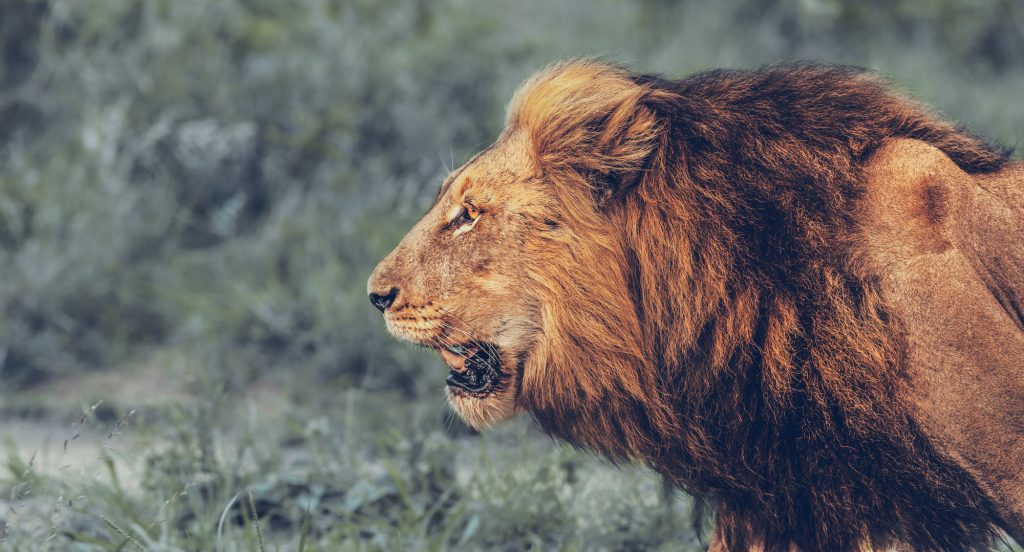
Are you planning an African safari and hoping to see some of the continent’s most iconic animals? The Big 5—lions, leopards, elephants, rhinos, and buffalo—are fascinating species that represent the rich biodiversity of Africa. They were originally named by hunters as the most difficult and dangerous animals to track on foot, a testament to their power and elusive nature. But organizing such a trip can be challenging. Which parks provide the best opportunities to see them? Destinations like Kruger National Park, Maasai Mara, and Serengeti National Park are renowned for offering exceptional Big 5 sightings. How can you ensure your trip supports conservation and ethical practices? This guide simplifies the planning process and provides practical advice to enhance your experience. Who Are the Big 5? The term “Big 5” originally referred to the most difficult animals to hunt on foot, but today, it symbolizes Africa’s remarkable wildlife. Here’s what makes each animal unique: Lion: Lions live in prides and are known for their hunting skills and territorial roars. They’re often active in the early morning and late evening. Leopard: Solitary and stealthy, leopards are most often found resting in treetops or moving through dense vegetation at night. Elephant: Known for their intelligence and strong social bonds, elephants can often be seen in family herds at waterholes or grazing. Rhinoceros: With their prehistoric appearance, rhinos are critically endangered due to poaching but remain resilient survivors. Buffalo: Buffalos are usually found in large herds and are known for their strength and unpredictable nature. Where to See the Big 5 To maximize your chances of seeing the Big 5, visit the following destinations, each offering unique opportunities to observe these iconic animals in their natural habitats. Kruger National Park (South Africa): Offers diverse ecosystems and consistent Big 5 sightings. Maasai Mara (Kenya): Known for the Great Migration and its lion populations. Serengeti National Park (Tanzania): Renowned for leopards and seasonal wildlife congregations. Queen Elizabeth National Park (Uganda): Famous for tree-climbing lions and tranquil safaris. Okavango Delta (Botswana): A lush delta ideal for spotting elephants and buffalo in their natural habitats. Best Time to Visit: Plan your safari during the dry season (June to October) when animals are most active around water sources. Ethical Tourism and Conservation Africa’s wildlife faces threats like poaching and habitat destruction. Supporting ethical tourism helps protect these species while benefiting local communities. Choosing the Right Safari Operator: Look for eco-friendly lodges and guides with conservation-focused practices. Support operators who invest in community projects like education and anti-poaching initiatives. Seek tours that limit crowding near animals to reduce stress on wildlife. By making informed choices, you contribute to protecting the Big 5 and supporting sustainable travel. For example, choosing lodges that fund anti-poaching patrols directly helps reduce threats to rhinos, while operators who hire local guides ensure that nearby communities benefit economically from wildlife conservation. Tips for Your Big 5 Safari Adventure Proper preparation ensures a more rewarding experience. Here’s how to get ready: Clothing: Wear neutral tones to blend into the environment. Pack light but include layers for cool mornings and warm afternoons. Gear: Bring binoculars, a good camera with a zoom lens, and sunscreen. Timing: Start early in the morning or late in the afternoon for the best wildlife activity. Safety: Follow your guide’s advice, especially on walking safaris or when near large animals. Beyond the Big 5 Africa’s wilderness offers more than just the Big 5. Look out for cheetahs, giraffes, zebras, hippos, and unique bird species. Many parks also provide cultural experiences, like visits to Maasai villages or learning about local traditions. These activities complement the wildlife adventure by offering a deeper understanding of the region’s heritage and the people who coexist with its incredible fauna. Engaging with local communities adds a meaningful layer to your journey, creating connections that enhance your appreciation of both culture and conservation. Plan Your Safari A well-planned safari combines breathtaking wildlife encounters with responsible travel practices. Whether it’s watching lions hunt in the Maasai Mara or spotting elephants in Kruger, every moment is unforgettable. Start preparing for your safari now and enjoy an adventure that benefits both you and Africa’s extraordinary wildlife.