
Why More Couples Are Choosing Private Safari Adventures in Africa
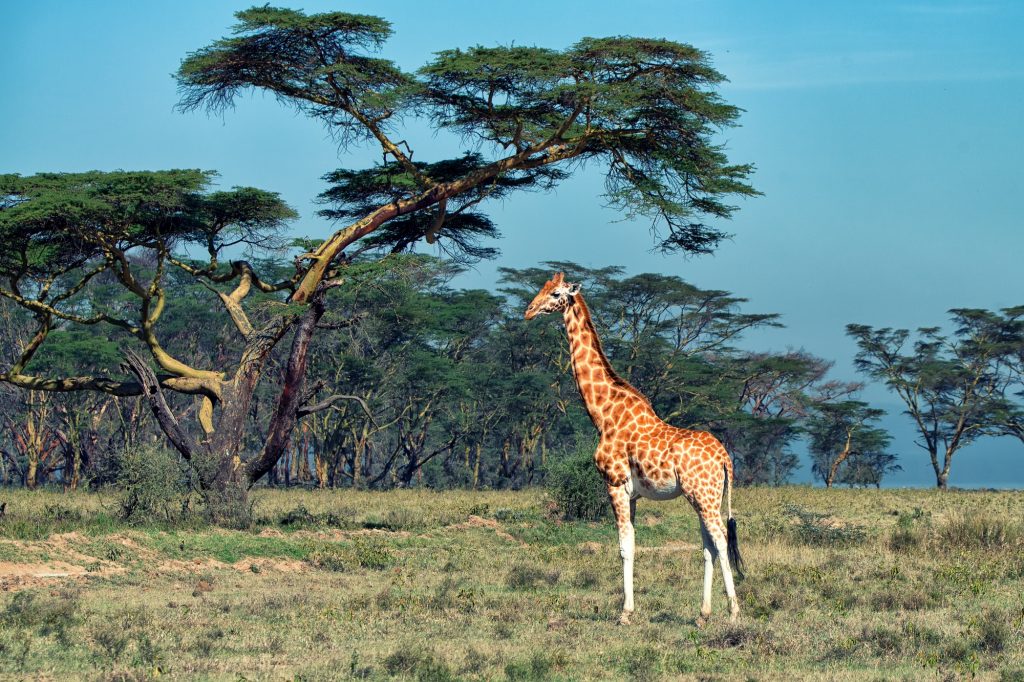
Private safari adventures in Africa are becoming increasingly popular with couples who value privacy, flexibility, and highly personalized experiences. While group tours have advantages, private safaris provide unique benefits that make them stand out. Here’s why many couples are opting for private safari adventures: Freedom to Set Your Schedule Private safari adventures allow you to plan your African journey around your own schedule. Unlike group tours, where activities follow a fixed timetable, private safaris let you decide when and where to go. This means you can enjoy early-morning game drives, take a midday break, or linger longer at your favorite wildlife sightings without worrying about others. A Personalized Safari Experience When you choose a private tour, you get a vehicle, guide, and itinerary tailored specifically for you. This means you can spend more time focusing on the things you enjoy most—whether that’s observing Africa’s Big Five, taking stunning wildlife photos, or exploring lesser-known areas. Every detail is customized to your preferences. Romantic Safari Moments Many lodges and camps offer packages designed for couples, with features like candlelit dinners under the stars, sunrise breakfasts in the bush, and sundowners in secluded spots. These experiences create intimate moments that make your trip even more memorable, whether you’re celebrating a honeymoon, anniversary, or simply quality time together. Tailored Safari Activities Private tours give you the freedom to design your own itinerary. You can prioritize activities like birdwatching, tracking specific animals, or visiting cultural heritage sites. The flexibility to combine adventure with relaxation ensures your African safari trip is exactly what you want it to be. Exclusive Wildlife Viewing Opportunities Having a private vehicle and guide means you can stay longer at a wildlife sighting, revisit an area, or wait patiently for the perfect photo opportunity. You’re not limited by the preferences of a group, giving you the chance to enjoy closer and more meaningful encounters with Africa’s iconic wildlife. Quiet and Private Safari Lodging Private safaris often include accommodations in secluded lodges, cottages, or villas. These properties offer privacy, comfort, and personalized services such as a dedicated butler. The tranquil setting provides a peaceful retreat where couples can relax and recharge after a day of exploration. Customized Dining Experiences From gourmet picnics in the wilderness to private barbecues under the stars, dining on a private safari is a luxurious and personalized experience. Many safari lodges offer personalized menus and special arrangements for occasions like anniversaries or proposals, making your meals as special as the rest of your trip. Immersive Nature Experiences Private safaris create an intimate setting where you can fully connect with Africa’s stunning natural landscapes. Without the distractions of a group, you can fully embrace the sights, sounds, and serenity of the African wild. This intimate connection enhances the shared experience of being in such a remarkable setting. Dedicated Attention from Safari Guides Your guide’s sole focus is on you and your interests. Whether it’s helping you track elusive predators like leopards, explaining the behaviors of elephants, or facilitating cultural interactions, a private guide ensures your experience is detailed, enriching, and fully personalized. Special requests are easily accommodated, like visiting specific ecosystems or learning about conservation efforts. Conclusion Private safari tours offer couples a unique way to experience Africa’s incredible landscapes and wildlife. With complete control over your schedule, personalized adventures, and exclusive accommodations, private safaris provide the perfect mix of relaxation, adventure, and connection. For couples seeking a meaningful and unforgettable African safari journey, private tours are an exceptional choice
Is Uganda Good for Safaris? An Honest Guide
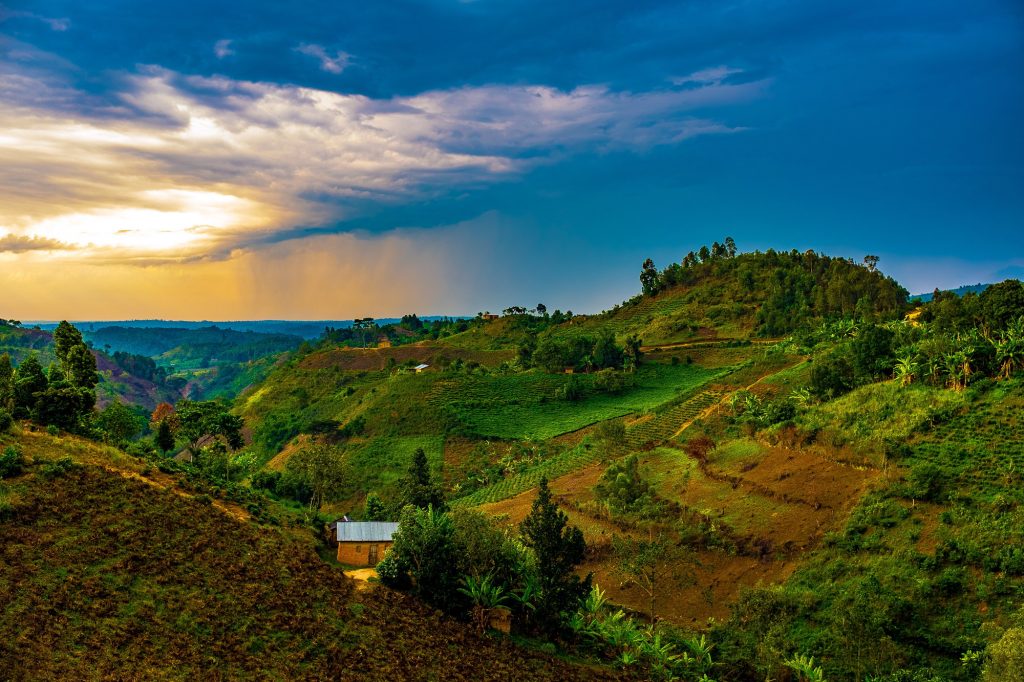
Uganda, also called the “Pearl of Africa,” is one of the best places for a safari. It is less crowded than Kenya and Tanzania but still offers incredible experiences. From wildlife to stunning landscapes, Uganda has something for every traveler. Let’s explore why Uganda is a great choice for your next safari. 1. Why Choose Uganda for a Safari? Uganda is special because it combines many unique experiences. You can see big game animals, trek through forests, and connect with local cultures. Top Highlights: Uganda offers more than just game drives. It’s a place where you can mix classic safaris with unique wildlife encounters. 2. Beautiful and Diverse Landscapes Uganda is known for its varied environments. You’ll see savannahs, forests, rivers, and mountains—all in one trip. Top Locations: No matter where you go, the scenery will leave you amazed. 3. How Uganda Compares to Other Safari Destinations Uganda offers a different kind of safari experience compared to Kenya and Tanzania. Here’s how it compares: Feature Uganda Kenya Tanzania Specialty Gorillas, primates, boat safaris Big Five, Great Migration Great Migration, Big Five Crowds Fewer visitors Busier parks Moderate crowds Cost Affordable Moderate to expensive Moderate to expensive Scenery Forests, rivers, mountains Savannah plains Vast plains, volcanic craters Uganda is a top pick for those who prefer quieter parks and a mix of wildlife experiences. 4. Affordable Safari Options Uganda is budget-friendly without cutting corners on quality. Here are some reasons why it’s a good choice for travelers watching their costs: Whether you’re traveling alone, with family, or in a group, you’ll find options that work for you. 5. More Than Just Wildlife Uganda is not only about safaris. Its rich culture adds extra value to your visit. What to Explore: These experiences give you a deeper connection to Uganda beyond its wildlife. 6. Best Time to Visit Uganda Uganda’s safari parks are open all year, but the best time to visit is during the dry seasons: Rainy seasons (March to May, October to November) can make trekking harder, but they’re perfect for avoiding crowds. 7. Common Questions About Uganda Safaris How much does a safari cost? Is Uganda safe for tourists? Yes, Uganda is considered safe for travelers. Safari parks are secure, and tour operators are experienced. Just follow basic safety advice like you would in any destination. Can I combine Uganda with other countries? Yes! Uganda is close to Kenya, Tanzania, and Rwanda. Many travellers combine gorilla trekking in Uganda with the Great Migration in Kenya or Tanzania for a diverse African safari experience. 8. Why Uganda is Worth Your Time Uganda is perfect for travellers looking for something different. It’s affordable, less crowded, and offers rare wildlife like mountain gorillas. Its mix of beautiful landscapes, cultural richness, and conservation efforts make it a great safari destination. Ready to plan your safari in Uganda? Start by researching tour operators, picking your parks, and deciding the best time to visit. Whether you’re looking for gorilla trekking or a peaceful game drive, Uganda has it all.
How to plan the perfect safari in East Africa
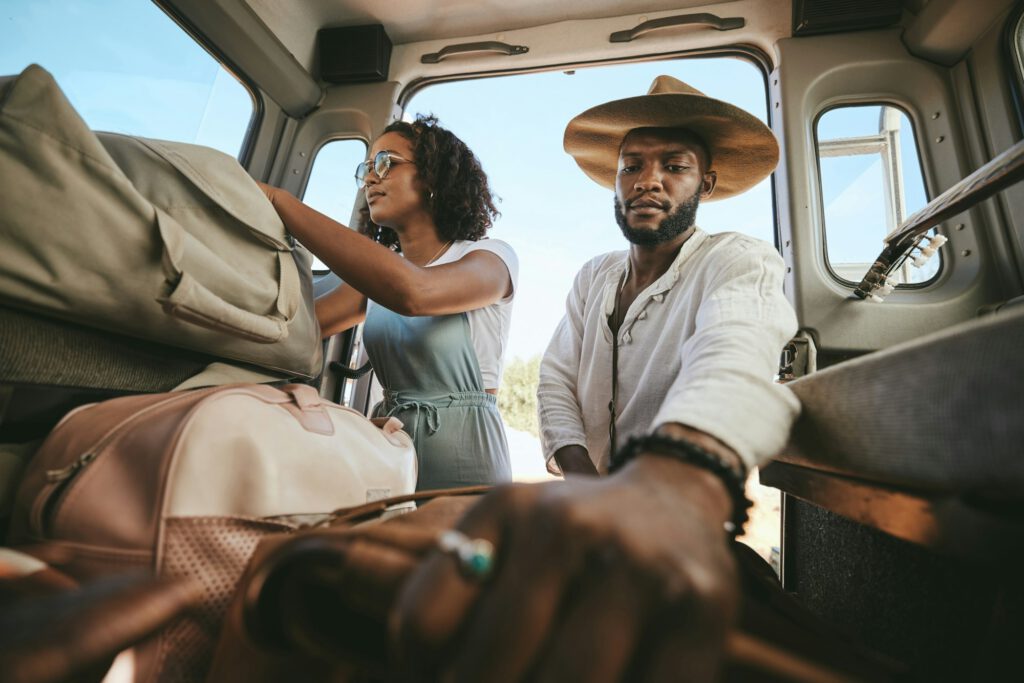
How to Plan the Perfect Safari in East Africa: Step-by-Step Guide How to plan the perfect safari in East Africa: A step-by-step guide Introduction Planning a safari in East Africa is an exciting journey that brings you closer to experiencing the wild beauty of Kenya and Tanzania. East Africa is home to some of the world’s most breathtaking safari destinations, from the sweeping plains of the Serengeti and the iconic Maasai Mara to witnessing the Big Five and the incredible Great Migration. However, organizing a safari can feel overwhelming with so many options, destinations, and details to consider. This guide will take you through each step of planning your East African safari, helping you create a stress-free itinerary that matches your interests, budget, and travel goals. Step 1: Decide on the safari experience you want The first step to planning the perfect safari is to define the type of experience you’re looking for. Safaris in East Africa range from budget-friendly group tours to luxurious private safaris, and knowing what kind of experience you want will help you plan your itinerary, choose the right destinations, and set a realistic budget. Types of safaris in East Africa Choosing the right countries and parks Kenya and Tanzania both offer outstanding safari experiences, with distinct parks known for their unique wildlife and landscapes. If your focus is on the Great Migration, prioritize the Serengeti National Park in Tanzania or the Maasai Mara in Kenya, where you can witness herds of wildebeest, zebras, and antelope migrating in search of food. For scenic views and large elephant herds, consider Amboseli National Park in Kenya, with its backdrop of Mount Kilimanjaro. Learn more about top safari destinations in East Africa. Step 2: Choose the best time to visit Timing your safari is crucial for a successful wildlife experience. East Africa has two main seasons—dry and wet—and each season offers unique advantages for travelers. Here’s a breakdown of the best times to visit based on your goals. Dry season (June to October) The dry season is generally considered the best time for a safari. During these months, vegetation is sparse, and animals gather around water sources, making wildlife easier to spot. This period also coincides with the Great Migration river crossings, usually between July and October in the Maasai Mara and Serengeti. Dry season benefits include: Wet season (November to May) The wet season, from November to May, is the low season for tourism but brings a unique beauty to East Africa. The landscape becomes lush and green, and it’s also the calving season in the Serengeti, with many young animals born in February. This season may be ideal if you want: Choosing the best time depends on your priorities—whether it’s seeing the Great Migration, avoiding crowds, or taking advantage of discounted rates. Check out our full guide to the best safari seasons in East Africa. Step 3: Set a budget and make reservations Once you’ve chosen your travel dates and safari type, it’s time to set a budget and start booking essential reservations. A safari in East Africa can range significantly in cost, depending on factors like accommodation type, transportation, and park fees. Budget considerations Booking essentials For a smooth trip, book your safari well in advance, especially if traveling during the dry season or Great Migration peak months. Essential reservations include: Setting a realistic budget and booking in advance will help you avoid last-minute stress and ensure you get the most out of your East African safari experience. Explore our tips on choosing the best safari operator. Step 4: Prepare your safari packing list Packing for an East African safari requires some thought, as you’ll want to be ready for changing weather, long drives, and wildlife encounters. The goal is to pack light but smart. Here’s a checklist of essentials to bring along for a comfortable and enjoyable safari experience. Clothing essentials Safari gear Step 5: Health and safety tips for a safari in East Africa Staying safe and healthy is a priority when visiting East Africa. Here are essential health and safety tips to ensure a smooth and enjoyable safari experience. Health precautions Wildlife safety Conclusion Planning a safari in East Africa is an unforgettable journey that allows you to experience the best of Kenya and Tanzania’s wild landscapes, iconic wildlife, and rich cultural encounters. By carefully choosing your safari style, timing your visit, and preparing with the right packing list, you’ll be ready to make the most of this once-in-a-lifetime adventure. Remember to prioritize health and safety, follow the advice of your guides, and take the time to enjoy each moment in the heart of the African wilderness. With these steps, you’re well-prepared to start planning the perfect safari in East Africa. Begin by setting your budget, picking your ideal destinations, and reserving accommodations in advance to ensure you capture the full beauty and excitement of an East African safari. Whether you’re dreaming of seeing the Big Five, witnessing the Great Migration, or relaxing under the African sky, your East African safari awaits. Let me know if there’s anything more you’d like to add or adjust!
Best safari destinations in East Africa you can’t miss
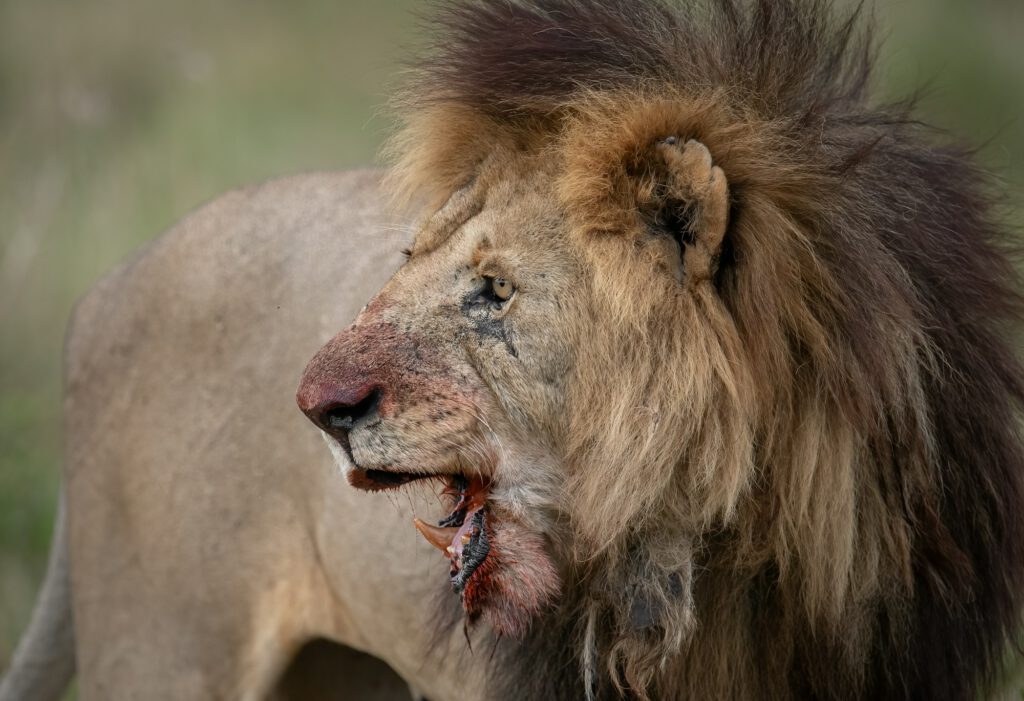
Top 5 Safari Destinations in East Africa You Can’t Miss Introduction An East African safari is one of the most thrilling experiences for nature lovers and adventure seekers. From Tanzania’s vast plains to Kenya’s lush reserves, East Africa’s landscapes are teeming with iconic wildlife. Visitors to East Africa have the chance to witness the Big Five—lions, elephants, leopards, buffalo, and rhinos—as well as the awe-inspiring Great Migration, where millions of wildebeest, zebras, and antelope migrate in search of greener pastures. Whether it’s the sweeping savannas of the Serengeti, the Ngorongoro Crater’s dramatic scenery, or the Maasai Mara’s cultural richness, East Africa’s safari destinations promise unmatched encounters with nature and wildlife. Here are the top five East African safari parks you won’t want to miss. Explore Serengeti National Park: A top safari destination in Tanzania The Serengeti National Park in Tanzania is one of the most famous safari destinations in the world. Known for its endless savannas and rich wildlife, the Serengeti offers a premier safari experience. Every year, this park hosts the Great Migration, where millions of wildebeest, zebras, and other animals journey across the plains, facing challenges from predators like lions, cheetahs, and crocodiles along the way. Visitors to the Serengeti can expect to see migrating herds and a remarkable variety of other wildlife, including elephants, giraffes, and an abundance of bird species. The park has different areas, each offering unique scenery and wildlife encounters, from the Southern Serengeti’s grassy plains to the Western Corridor’s tree-dotted savannas. Ngorongoro Crater: Tanzania’s unique safari wonder The Ngorongoro Crater in Tanzania is a must-see destination for safari-goers. This UNESCO World Heritage Site was formed millions of years ago when a volcano collapsed, creating a massive caldera that is now home to some of the densest wildlife populations in Africa. Often referred to as the “Eighth Wonder of the World,” Ngorongoro offers visitors the unique opportunity to experience a natural wildlife haven in an enclosed, scenic landscape. Inside the crater, visitors can spot a variety of animals, including elephants, lions, leopards, and endangered black rhinos. One of the highlights here is the large population of hippos that thrive in the freshwater lakes within the crater. Ngorongoro also provides an excellent opportunity to witness Maasai culture, as the locals coexist with wildlife in the Ngorongoro Conservation Area. Experience the Great Migration in Maasai Mara, Kenya The Maasai Mara National Reserve in Kenya is one of Africa’s most celebrated safari destinations. Known for its high density of wildlife, the Maasai Mara is famous for its open grasslands and incredible predator sightings, particularly lions and cheetahs. The park is also the stage for the Great Migration, as thousands of wildebeest and zebras cross the Mara River each year between July and October, often with dramatic encounters involving crocodiles and big cats. Apart from the wildlife spectacle, visitors to the Maasai Mara can enjoy a rich cultural experience by engaging with the Maasai people, known for their vibrant clothing, beadwork, and deep connection to the land. Many tours include visits to Maasai villages, providing a unique opportunity to learn about traditional Maasai life and culture. Amboseli National Park: Kenya’s best place to see elephants Known as the “Land of Giants,” Amboseli National Park in Kenya is famous for its large herds of elephants and stunning views of Mount Kilimanjaro. The park’s open plains and swampy areas create a unique ecosystem that supports a variety of wildlife, from buffalo and zebras to giraffes and many bird species. Amboseli is a great place for photography, as its backdrop of Kilimanjaro makes for incredible scenery, especially at sunrise and sunset. Visitors to Amboseli often get close views of elephants, as the park’s marshes attract these gentle giants, creating memorable encounters. Amboseli also has lookout points that offer panoramic views, and it’s an excellent location for birdwatching with over 400 species, including pelicans, kingfishers, and the African fish eagle. Lake Nakuru National Park: Safari and birdwatching paradise Lake Nakuru National Park in Kenya is one of East Africa’s most scenic and ecologically diverse parks. Known for its beautiful lake surrounded by wooded and bushy grasslands, Lake Nakuru attracts thousands of flamingos that create a stunning pink shoreline. This park is also a sanctuary for rhinos, and it’s one of the few places in Kenya where both black and white rhinos can be seen. In addition to its famous birdlife, Lake Nakuru is home to lions, leopards, and hippos, and it’s an important breeding ground for Rothschild giraffes. The picturesque landscape and vibrant wildlife make Lake Nakuru a popular destination for those seeking a safari with beautiful scenery and diverse animal species. Best times to visit East African safari parks Planning the timing of your East African safari is essential for getting the best wildlife experiences. In general, the dry season from June to October is ideal for most parks, as animals are easier to spot near water sources. However, each park has its unique peak season based on local wildlife events and weather patterns. By choosing the right season based on these highlights, visitors can maximize their chances of witnessing East Africa’s most iconic wildlife events, from the Great Migration to predator-prey encounters. Conclusion An East African safari offers unforgettable wildlife experiences, breathtaking landscapes, and a chance to immerse yourself in the cultures of Tanzania and Kenya. From the sweeping plains of the Serengeti to the pink-hued shores of Lake Nakuru, each destination presents a unique glimpse into Africa’s natural wonders. Planning your trip to coincide with peak wildlife seasons and selecting parks that align with your interests can make your East African safari the adventure of a lifetime. Whether you’re a first-time visitor or a seasoned traveller, East Africa’s safaris should be on your bucket list.