
The Path Toward Sustainable Safari Camps in the Ndutu Region
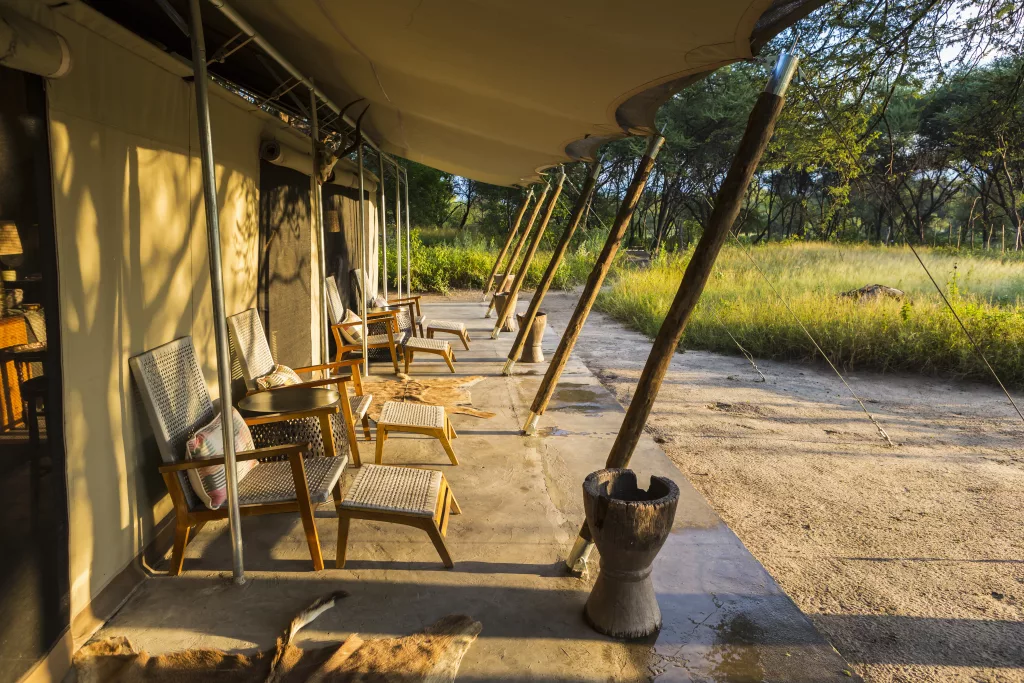
The Ndutu region of Tanzania’s Southern Serengeti draws travelers year-round, thanks to its role in the wildebeest migration and especially during the January to March safari season. However, the increasing popularity of this area demands sustainable safari camps that minimize impact on delicate ecosystems. This guide explains why eco-conscious accommodations are crucial and how they enrich your safari experience. Curious about the wildlife highlights that make Ndutu so special? Check out our piece on Inside the Wildebeest Migration: Big 5 Wildlife Encounters and Predator Sightings. Core Principles of Sustainable Safari Camps Choosing the Right Eco-Camp Benefits for Wildlife and Guests For a closer look at the calving phenomenon itself, read Discover Tanzania’s Calving Safari: Why January to March Shines. Conclusion Opting for a sustainable safari camp in the Ndutu region means you’ll witness the marvels of the Southern Serengeti—calving herds, roaring predators, and the vibrant Maasai culture—while safeguarding these habitats for future generations. Ready to book a responsible safari? Contact us to explore eco-friendly camp options that match your travel style and commitment to preserving Tanzania’s natural wonders.
Inside Wildebeest Migration & Big 5 Predator Encounters in East Africa
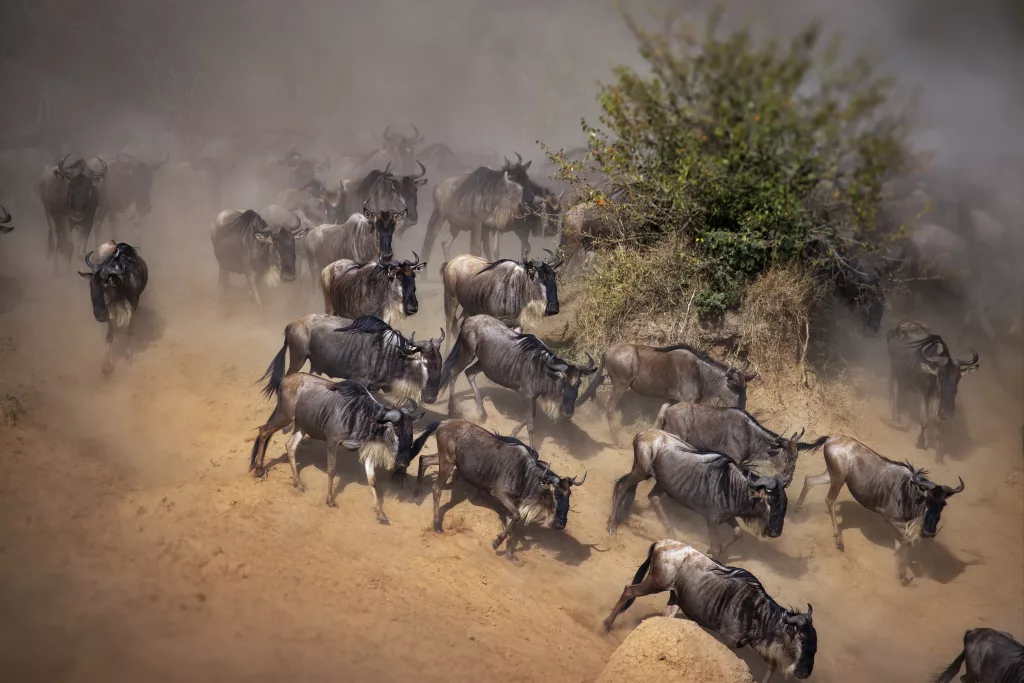
The wildebeest migration is often called the “greatest show on Earth,” spanning from Tanzania’s Southern Serengeti to Kenya’s Maasai Mara. Among the highlights are Big 5 wildlife encounters, dramatic predator sightings, and a constant interplay between grazers and hunters. Although the migration is a year-round phenomenon, the Ndutu region shines during the January to March safari season, coinciding with the peak calving period. Suggested Internal Link Want to know why calving season holds a special allure? Check out our post on Discover Tanzania’s Calving Safari: Why January to March Shines. Main Phases of the Migration Iconic Predator Sightings Where to Spot the Big 5 Sustainability and Responsible Tourism The crowds that gather for the migration highlight the need for sustainable safari camps. Ethical operators: For an in-depth look at eco-conscious camps and community initiatives, explore our guide on The Path Toward Sustainable Safari Camps in the Ndutu Region. Conclusion Observing the wildebeest migration offers a front-row seat to one of nature’s most gripping displays: life, death, and renewal across Africa’s wild corridors. Each phase tells a story worth witnessing in person, from the thunder of hooves to predator sightings that raise your heart rate. Ready to plan your migration safari? Contact us to customize a route that syncs with the herds, ensuring you experience the best of the Big 5 wildlife encounters and beyond.
Tanzania’s Calving Safari. Why January to March Shines
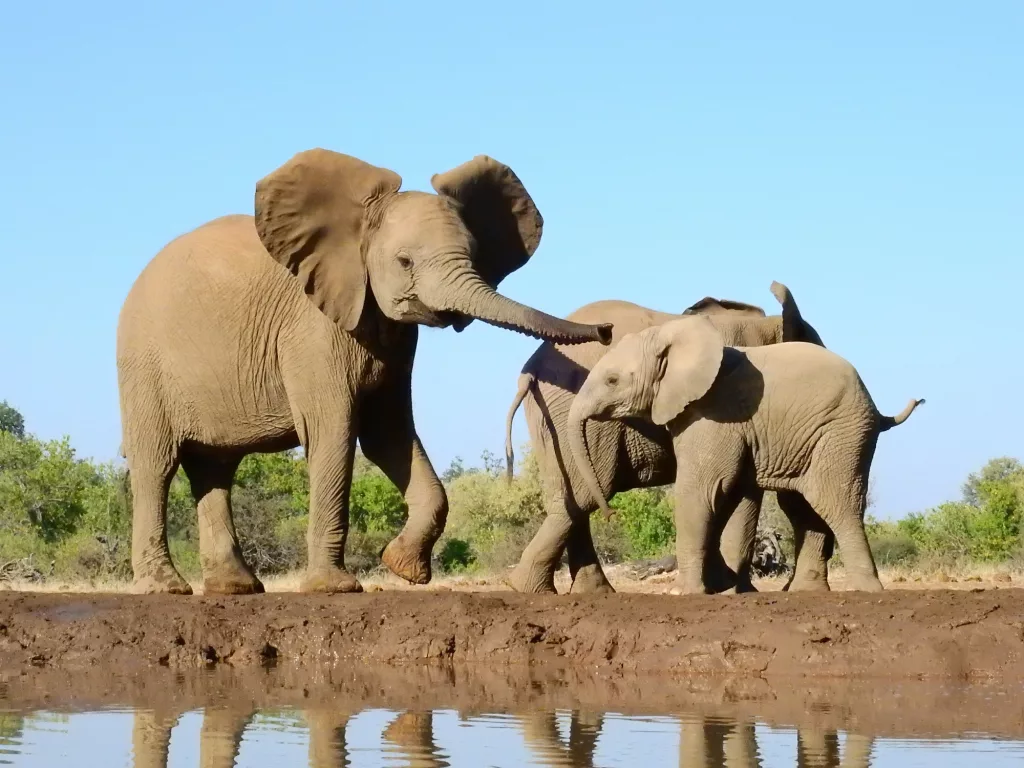
Introduction Tanzania’s calving safari season stands apart for its mesmerizing concentration of newborn wildebeest, zebra, and other grazing animals in the Southern Serengeti. Specifically, the Ndutu region becomes a stage for new life each January to March, drawing both avid photographers and first-time safari-goers eager to witness dramatic predator sightings and tender moments between mothers and their young while on a Tanzania calving safari. If you’re seeking a safari experience that highlights nature’s cycle of renewal, this is your ideal window. Suggested Internal Link Looking to learn more about the full scope of the wildebeest migration? Check out our post on Inside the Wildebeest Migration: Big 5 Wildlife Encounters and Predator Sightings. What Makes January–March Calving Season Unique? (H2) Best Locations in the Ndutu Region (H2) Tips for a Successful Calving Safari (H2) Suggested Internal Link Curious about how to minimize your environmental impact on safari? Don’t miss our article on The Path Toward Sustainable Safari Camps in the Ndutu Region. Conclusion Witnessing the cycle of new life in Tanzania’s calving safari season is an unforgettable experience, brimming with tender births and intense predator sightings. From the open plains of the Southern Serengeti to the tranquil Ndutu lakeshore, you’ll gain a deeper appreciation for the intricate balance of Africa’s ecosystems on a Tanzania calving safari safari in Ndutu region. Ready to plan your January–March safari? Reach out to our team, and let’s craft an itinerary that places you front and center for nature’s grandest nursery.