
Luxury Gorilla Trekking in East Africa

Introduction: Gorilla trekking is a bucket-list experience for many wildlife enthusiasts, and East Africa offers some of the best opportunities to see these majestic creatures up close. Uganda, Rwanda, and Congo are home to the endangered mountain gorillas, providing breathtaking trekking experiences amidst lush landscapes. This guide explores everything you need to know about luxury gorilla trekking in East Africa, from where to go and what to expect to tips for making the most of your journey. 1. Why Choose Luxury Gorilla Trekking? 2. Top Destinations for Gorilla Trekking 3. Best Time to Go 4. What to Expect During the Trek 5. Tips for a Luxury Gorilla Trekking Experience Conclusion: Luxury gorilla trekking in East Africa combines adventure, exclusivity, and conservation. It’s an opportunity to connect with nature, support wildlife preservation, and create memories that will last a lifetime. Whether you choose Uganda, Rwanda, or Congo, the experience will leave you in awe of these magnificent creatures and their stunning habitats. Ready for a once-in-a-lifetime adventure? Contact us to plan your luxury gorilla trekking experience today!
Top 10 National Parks in East Africa

Introduction: East Africa is synonymous with breathtaking landscapes, diverse ecosystems, and unparalleled wildlife experiences. From the golden savannahs of Tanzania to the misty mountains of Uganda and the volcanic terrain of Rwanda, each national park in this region offers something unique. Whether you’re a seasoned adventurer or planning your first safari, this detailed guide will help you uncover the treasures of East Africa’s top national parks. Discover where to witness iconic wildlife spectacles, the best times to visit, and expert tips to elevate your safari experience. 1. Serengeti National Park, Tanzania 2. Maasai Mara National Reserve, Kenya 3. Bwindi Impenetrable National Park, Uganda 4. Ngorongoro Conservation Area, Tanzania 5. Volcanoes National Park, Rwanda 6. Amboseli National Park, Kenya 7. Akagera National Park, Rwanda 8. Queen Elizabeth National Park, Uganda 9. Lake Manyara National Park, Tanzania 10. Virunga National Park, Congo Conclusion: East Africa’s national parks offer more than just wildlife; they are windows into the planet’s natural beauty, culture, and history. Each park tells its own story, whether it’s through the migration of wildebeests, the roar of lions, or the silent gaze of a mountain gorilla. Plan your adventure and immerse yourself in the magic of East Africa. Ready to explore these incredible destinations? Contact us to craft your perfect East African safari today.
Planning a Safe and Authentic African Safari with Exceptional Wildlife Encounters

Planning an African safari requires thoughtful preparation to ensure safety and the best possible wildlife experiences. At Lush Africa Safaris, we specialize in providing travellers with carefully crafted safaris that focus on safety, authenticity, and unrivalled wildlife encounters. In this guide, we’ll walk you through critical considerations to help you prepare for a well-organized and rewarding safari.
Planning a Safari Trip to Africa?
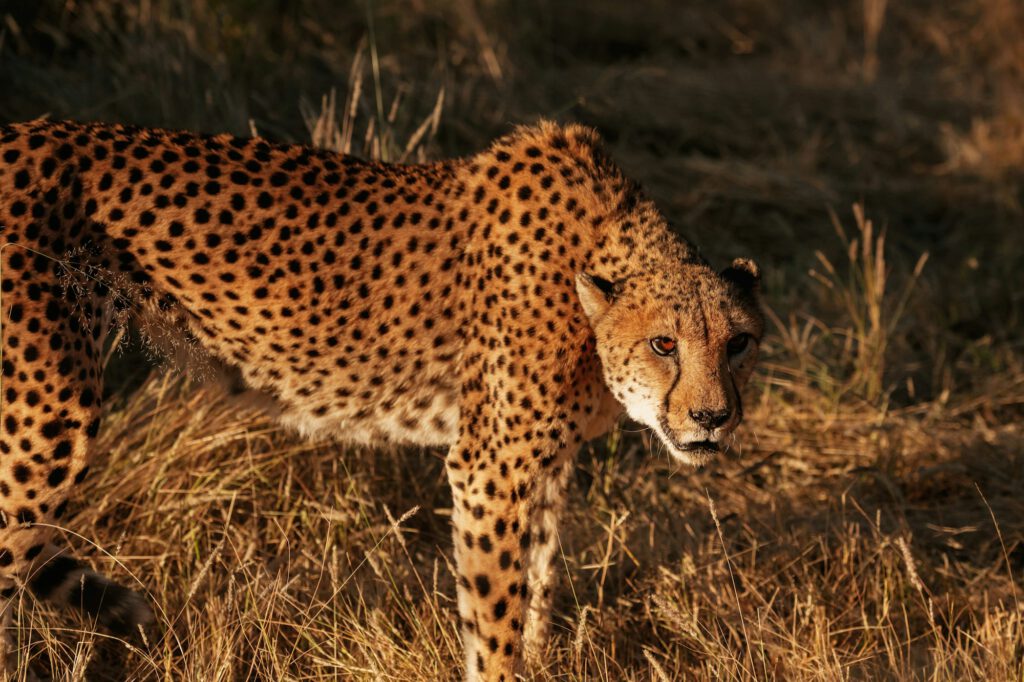
Key Takeaways Topic Summary African Big Five Learn about the African Big Five and where to spot them on a safari. Great Migration Discover the best times and places to witness the Great Migration in Africa. Safari Lodges Find out what to consider when choosing Safari Lodges and the types of accommodations available. Guided Game Drives Explore how Guided Game Drives enhance your safari experience. National Parks Get to know the top National Parks in Africa and what makes each unique. Cultural Encounters Understand the importance of Cultural Encounters and how they enhance your safari. Wildlife Conservation Learn about the role of safaris in Wildlife Conservation and how you can contribute. Photography on Safari Discover tips and ethical practices for Photography on Safari. Luxury Safaris Explore the exclusive experiences offered by Luxury Safaris. Family Safari Packages Learn how to plan the perfect Family Safari and keep everyone engaged and safe. Introduction Safari trips to Africa are an adventure of a lifetime, offering an unparalleled opportunity to witness wildlife in their natural habitat. Whether you’re planning to see the African Big Five or experience the Great Migration, each safari promises a unique and unforgettable journey. This guide will help you explore the diverse aspects of African safaris, from choosing the right national park to engaging in cultural encounters that enrich your experience. African Big Five 1.1 What are the African Big Five animals? The African Big Five includes the lion, leopard, elephant, rhinoceros, and buffalo. These animals were historically the most challenging and dangerous to hunt on foot, so they became known as the Big Five. Today, they are the most sought-after wildlife sightings on any safari. Learn more about the African Big Five. 1.2 Where can you see the African Big Five on a safari trip? The African Big Five can be spotted in several national parks across Africa. Kruger National Park in South Africa, the Masai Mara in Kenya, and Serengeti National Park in Tanzania are among the top destinations. These parks offer guided game drives that increase your chances of seeing these iconic animals. Top national parks for safaris in Africa. 1.3 Why are the African Big Five significant in safari tourism? The African Big Five are significant because they represent the ultimate wildlife experience. Spotting all five on a single safari is a major accomplishment for wildlife enthusiasts. Their presence in a park often draws visitors, contributing to tourism and conservation efforts. 1.4 How can you ensure a successful Big Five safari experience? Plan your trip during the dry season when animals congregate around water sources to increase your chances of seeing all five animals. Opt for guided game drives with experienced guides who know where these animals will likely be found. Book a guided game drive today. 1.5 Which parks offer the best chance to spot the African Big Five? Kruger National Park, Masai Mara, and Serengeti are top choices. Additionally, parks like Chobe National Park in Botswana and Hwange National Park in Zimbabwe offer excellent opportunities to spot the Big Five. Great Migration 2.1 What is the Great Migration, and why is it famous? The Great Migration is one of the most spectacular wildlife events in the world. It involves the movement of over 1.5 million wildebeest, along with hundreds of thousands of zebras and gazelles, across the Serengeti and Masai Mara ecosystems in search of greener pastures. This massive migration is driven by the seasonal rains and the availability of fresh grass, making it a dynamic and awe-inspiring natural phenomenon. Explore the Great Migration safari. 2.2 When is the best time to witness the Great Migration? The best time to witness the Great Migration depends on the specific stage of the migration you want to see. The calving season, when thousands of wildebeest calves are born, typically occurs from January to March in the Southern Serengeti. The dramatic river crossings at the Grumeti and Mara Rivers, where herds face crocodile-infested waters, usually happen between July and October. 2.3 Which national parks are part of the Great Migration route? The Serengeti National Park in Tanzania and the Masai Mara National Reserve in Kenya are the primary parks where the Great Migration takes place. The migration covers a vast area, including the northern, central, and southern Serengeti, before moving into the Masai Mara. 2.4 How does the Great Migration impact the local ecosystem? The Great Migration plays a crucial role in the ecosystem by naturally controlling the grasslands. The movement of the herds ensures that grazing is evenly distributed across the landscape, which prevents overgrazing and promotes new plant growth. This migration also supports a diverse range of predators, including lions, cheetahs, and hyenas, which rely on the herds for food. 2.5 What are the best ways to experience the Great Migration on safari? To fully experience the Great Migration, consider a mobile tented camp that moves with the herds or a lodge located near key crossing points like the Mara River. Guided game drives and hot air balloon safaris provide excellent vantage points for witnessing the migration. Book a guided game drive today. Safari Lodges 3.1 What should you look for when choosing a safari lodge? When choosing a safari lodge, consider factors such as location, amenities, and the type of safari experience you want. A lodge close to key wildlife areas can maximize your time spent viewing animals. Other considerations include the level of comfort, dining options, and whether the lodge supports conservation efforts. Discover luxury safari lodges. 3.2 How do luxury safari lodges differ from budget options? Luxury safari lodges offer exclusive experiences, including private game drives, gourmet meals, and personalized service. They often feature upscale accommodations such as tented suites with en-suite bathrooms, private plunge pools, and panoramic views of the savannah. In contrast, budget lodges provide more basic amenities but still offer excellent opportunities for wildlife viewing. 3.3 What are some of the top-rated safari lodges in Africa? Some of the top-rated safari lodges in Africa include Singita Grumeti in